The latest conversations, discussions, and insights in neonatal nutrition.

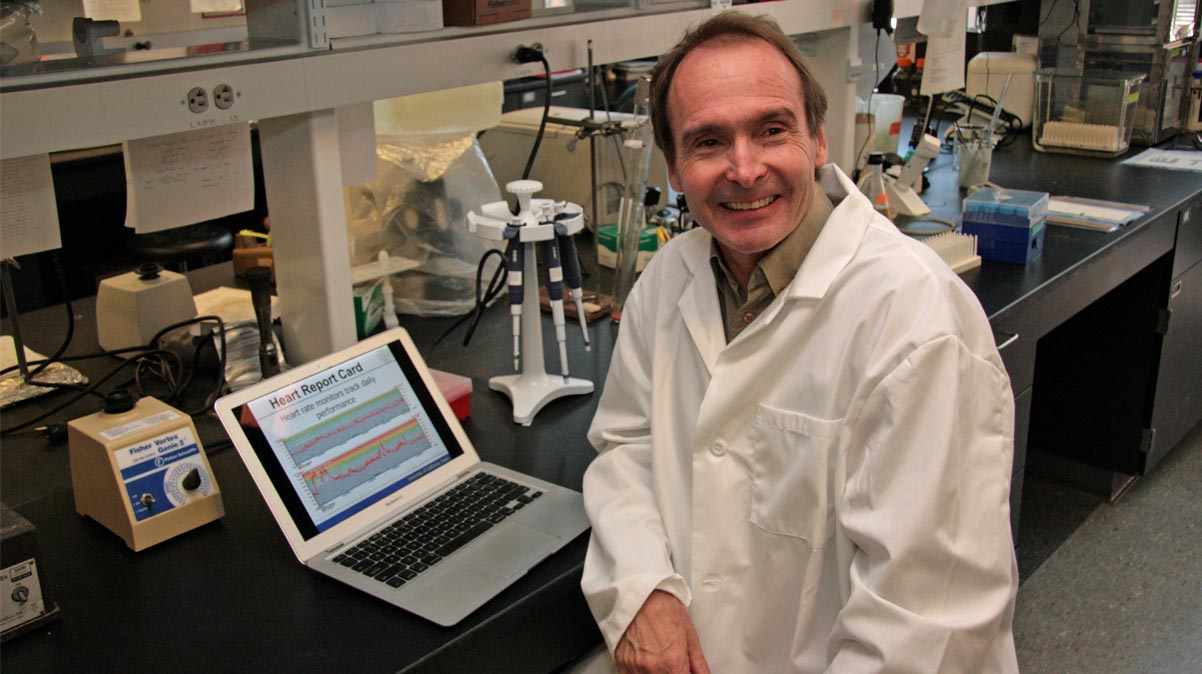
Bruce German, Ph.D., UC Davis Department of Food Science and Technology
Despite the role of milk to serve as a sole nutrient source for mammalian infants, the majority of the oligosaccharides in milk are not digestible by human infants. What role do they play in protecting infants from infection and inflammation?
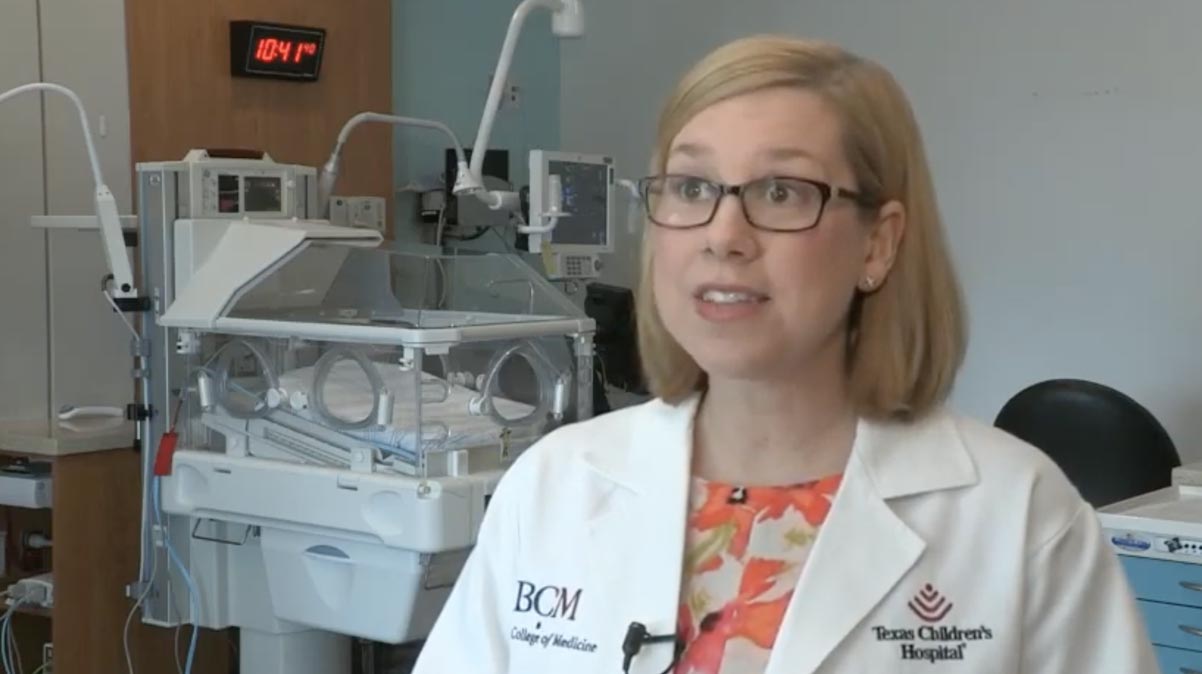
Dr. Amy Hair, Program Director of Neonatal Nutrition Texas Children's Hospital
Healthy infant weight gain is critical during an NICU stay. Is it possible to optimize this growth in very small infants? Dr. Hair discusses the results of adding donor milk cream supplement to an EHMD with the goal of increasing lean mass, consisting of bone and muscle growth.

Dr. Camilia R. Martin, Division of Newborn Medicine Assistant Professor of Pediatrics, Harvard Medical School
Mothers’ own milk is considered to be the best source of infant nutrition but in the U.S. with only 13% meeting the recommendation to breastfeed exclusively for six months. This research was conducted to review the nutritional information of breast milk and infant formulas for better understanding of the importance of breastfeeding and the uses of infant formula when a substitute form of nutrition is required.
Dr. Steven McElroy, Associate Professor of Pediatrics - Neonatology, Associate Professor of Microbiology and Immunology, University of Iowa Carver College of Medicine
NEC remains among the most common and devastating diseases in neonates. Despite advances in neonatal clinical care, specific treatment strategies and diagnostic modalities remain lacking. What areas of research show promising approaches to the prevention and treatment of NEC?
David Dallas, Ph.D., Assistant Professor, Oregon State University, College of Public Health and Human Sciences
Can milk peptides, bioactive or not, can survive in the stool of infants? As the first study to confirm the survival of milk peptides in the stool of infants, we discuss potential bioactivities that could influence infant gut development. These results are important to understand the physiological relevance of human milk peptides to the infant.