Innovation in human milk has stalled. Neonates are not getting the nutrition they need.
Join the group shaping future product formulation, changing administration guidelines, and helping neonates thrive.
The status quo is changing. For too long, human milk has been expensive and in short supply. The good news? It’s possible for human milk fortification to scale, commercialize, and innovate, but we need your help.

Ideal protein, calories, fat, and mineral fortification amounts are critical to developmental outcomes. These formulations should be optimized by doctors and dietitians, not companies.
The current human-driven process of administration is time-consuming and prone to contamination. Packaging and process improvements can prevent waste while making fortification more efficient.
Through forums, clinical research, or by becoming an early adopter, your influence—whether a little or a lot—can help develop a new standard in human milk-based nutrition.
"The goal should focus on outcomes, not products. Human milk is a building science as there is still so much we don't know. Premature infants needs are unique and our philosophy must be centered around babies and mothers."
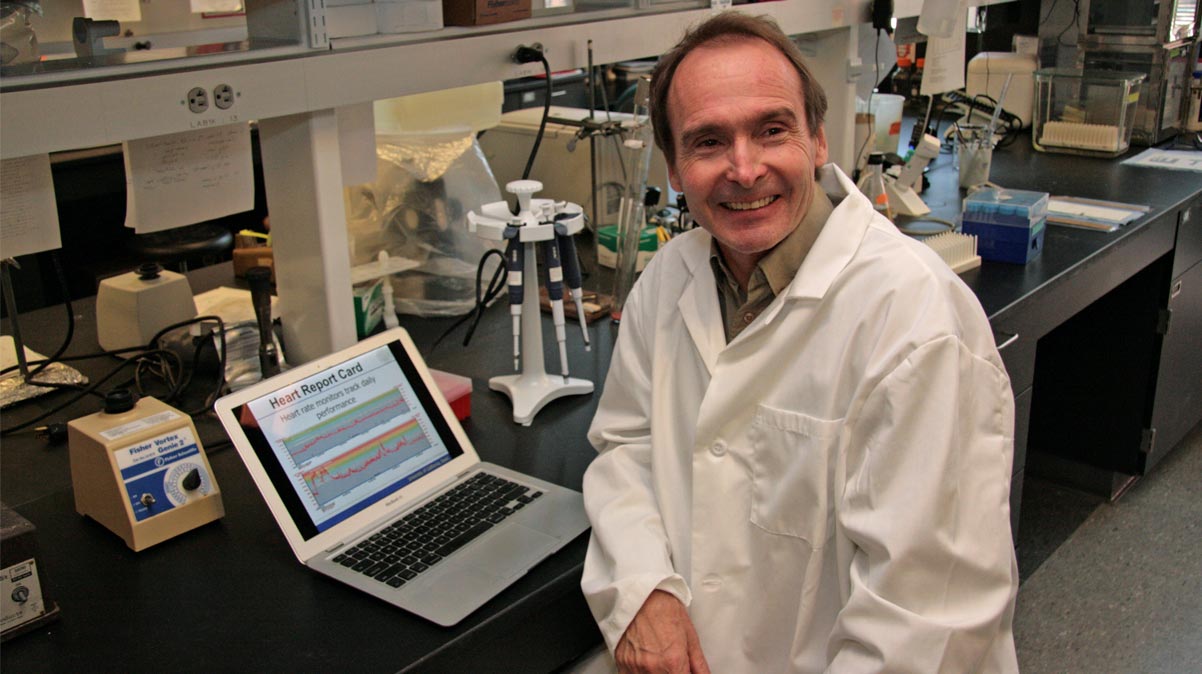
Bruce German, Ph.D., Distinguished Professor and Food Chemist, Food Science and Technology Director, Foods For Health Institute at UC Davis
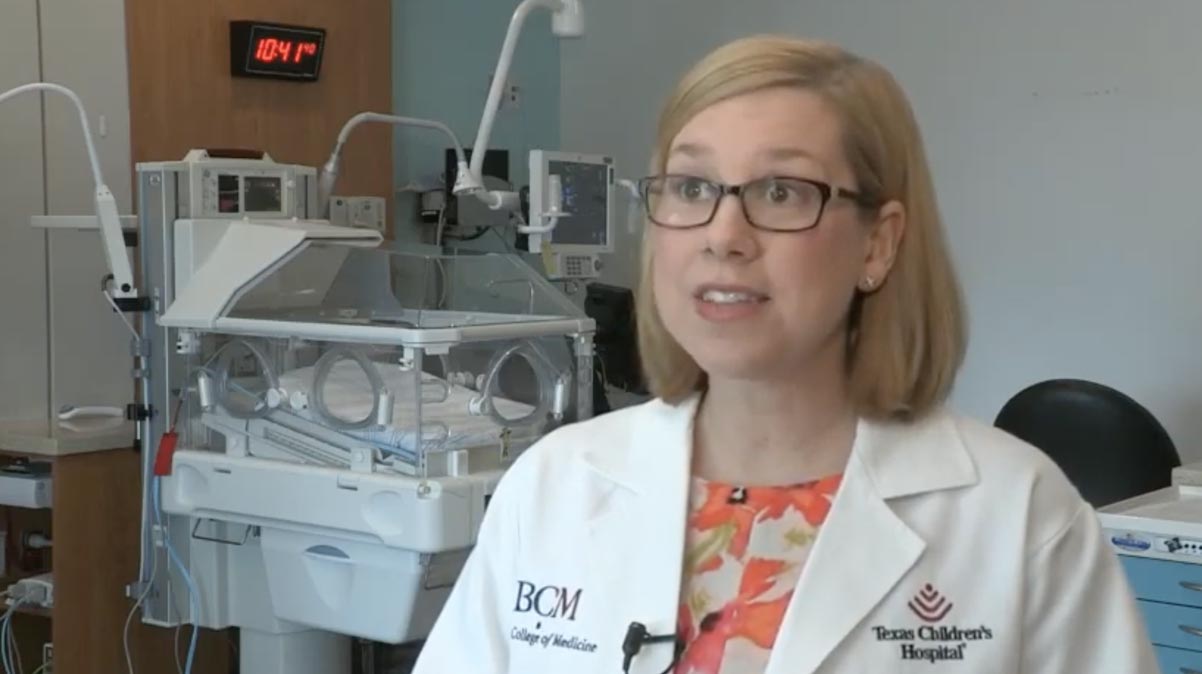
"Every time milk goes through the freezing and thawing cycles, constituent immune factors, proteins, and more are lost. We need a safe, cost-effective solution that provides quality proteins, prioritizes mother's milk, and helps preterm infants grow."
Dr. Amy Hair, Program Director of Neonatal Nutrition Texas Children's Hospital
"We don't need to just look for another source of human milk or a way to increase capacity. We must also find a solution that doesn't compromise its biology--the proteins, lipids, and other critical nutrients."
Dr. Camilia R. Martin, Division of Newborn Medicine Associate Professor of Pediatrics, Harvard Medical School
"Nutrition equals neurodevelopmental outcomes, period. Cost-effective human milk fortification is critical for our smallest patients but also for bridging beyond the NICU. This is a huge gap that is currently not being filled."
Dr. Steven McElroy, Professor of Pediatrics and Chief of Neonatology, UC Davis Children's Hospital
"There is still so much we don't know about human milk. We need to keep making progress towards the goal of getting donor milk safe without damaging milk proteins and other nutrients. "
David Dallas, Ph.D., Assistant Professor, Oregon State University, College of Public Health and Human Sciences
At LactaLogics, we share your unwavering commitment to your smallest, most vulnerable patients. We've spent the last six years exploring what quality, ease of administration, and safety can be for neonatal nutrition. But, we can't do it alone.
We need experts like you to join us in developing a new standard in human milk nutrition.

Physicians & Nurses
Support Staff
Researchers


Families
Hospital Leadership
Industry Advocates
At LactaLogics, we share your unwavering commitment to your smallest, most vulnerable patients. We've spent the last six years exploring what quality, ease of administration, and safety can be for neonatal nutrition. But, we can't do it alone.
We need experts like you to join us in developing a new standard in human milk nutrition.
Bruce German, Ph.D., UC Davis Department of Food Science and Technology
Despite the role of milk to serve as a sole nutrient source for mammalian infants, the majority of the oligosaccharides in milk are not digestible by human infants. What role do they play in protecting infants from infection and inflammation?
Dr. Amy Hair, Program Director of Neonatal Nutrition Texas Children's Hospital
Healthy infant weight gain is critical during an NICU stay. Is it possible to optimize this growth in very small infants? Dr. Hair discusses the results of adding donor milk cream supplement to an EHMD with the goal of increasing lean mass, consisting of bone and muscle growth.
Dr. Camilia R. Martin, Division of Newborn Medicine Assistant Professor of Pediatrics, Harvard Medical School
The latest conversations, discussions, and insights in neonatal nutrition.