


David Dallas, Ph.D.
Assistant Professor, Oregon State University, College of Public Health and Human Sciences
David Dallas, Ph.D. is a researcher and Assistant Professor at Oregon State University, College of Public Health and Human Sciences. His research focuses on examining milk protein digestion in infants and the release of bioactive peptides, as well as the survival of bioactive proteins.
The overall aim of his work is to improve the health of premature infants as they have been shown to have greatly reduced health outcomes (including early mortality, developmental disorders, high risk of infection, etc.) in comparison with term-delivered, breast milk-fed infants. The greatly reduced digestive capability of premature infants means that these infants are not breaking down milk proteins in the same way as term infants, and may therefore be missing many bioactive peptides and glycopeptides encrypted in human milk proteins. This difference in digestive capacity may mean that premature infants are not receiving the full health benefits of milk.
Recent Publications
- V. Weinborn, Li, Y., Shah, I. M., Yu, H., Dallas, D. C., J German, B., Mills, D. A., Chen, X., and Barile, D., “Production of functional mimics of human milk oligosaccharides by enzymatic glycosylation of bovine milk oligosaccharides.”, Int Dairy J, vol. 102, 2020. Read More
- B. Nath P. Sah, Lueangsakulthai, J., Kim, B. Jin, Hauser, B. R., Woo, Y., Olyaei, A., Aloia, M., O'Connor, A., Scottoline, B., Pastey, M. K., and Dallas, D. C., “Partial Degradation of Recombinant Antibody Functional Activity During Infant Gastrointestinal Digestion: Implications for Oral Antibody Supplementation”, Frontiers in Nutrition, vol. 7, 2020. Read More
- J. Lueangsakulthai, Kim, B. Jin, Demers-Mathieu, V., Sah, B. Nath P., Woo, Y., Olyaei, A., Aloia, M., O'Connor, A., Scottoline, B. P., and Dallas, D. C., “Effect of digestion on stability of palivizumab IgG1 in the infant gastrointestinal tract.”, Pediatr Res, 2020. Read More
- R. L. Beverly, Huston, R. K., Markell, A. M., McCulley, E. A., Martin, R. L., and Dallas, D. C., “Milk Peptides Survive In Vivo Gastrointestinal Digestion and Are Excreted in the Stool of Infants.”, J Nutr, vol. 150, no. 4, pp. 712-721, 2020. Read More
- R. L. Beverly, Huston, R. K., Markell, A. M., McCulley, E. A., Martin, R. L., and Dallas, D. C., “Differences in human milk peptide release along the gastrointestinal tract between preterm and term infants.”, Clin Nutr, 2020. Read More
- B. Jin Kim and Dallas, D. C., “Systematic examination of protein extraction, proteolytic glycopeptide enrichment and MS/MS fragmentation techniques for site-specific profiling of human milk N-glycoproteins”, Talanta, p. 121811, 2020. Read More
- V. Demers-Mathieu, Huston, R. K., and Dallas, D. C., “Cytokine Expression by Human Macrophage-Like Cells Derived from the Monocytic Cell Line THP-1 Differs Between Treatment With Milk from Preterm- and Term-Delivering Mothers and Pasteurized Donor Milk.”, Molecules, vol. 25, no. 10, 2020. Read More
- V. Demers-Mathieu, Lueangsakulthai, J., Qu, Y., Scottoline, B. P., and Dallas, D. C., “Binding and Neutralizing Capacity of Respiratory Syncytial Virus (RSV)-Specific Recombinant IgG Against RSV in Human Milk, Gastric and Intestinal Fluids from Infants.”, Nutrients, vol. 12, no. 7, 2020. Read More
- B. Nath P. Sah, Lueangsakulthai, J., Hauser, B. R., Demers-Mathieu, V., Scottoline, B., Pastey, M. K., and Dallas, D. C., “Purification of Antibodies From Human Milk and Infant Digestates for Viral Inhibition Assays.”, Front Nutr, vol. 7, p. 136, 2020. Read More
- B. Jin Kim, Lueangsakulthai, J., Sah, B. Nath P., Scottoline, B., and Dallas, D. C., “Quantitative Analysis of Antibody Survival across the Infant Digestive Tract Using Mass Spectrometry with Parallel Reaction Monitoring.”, Foods, vol. 9, no. 6, 2020. Read More
Resources from David Dallas
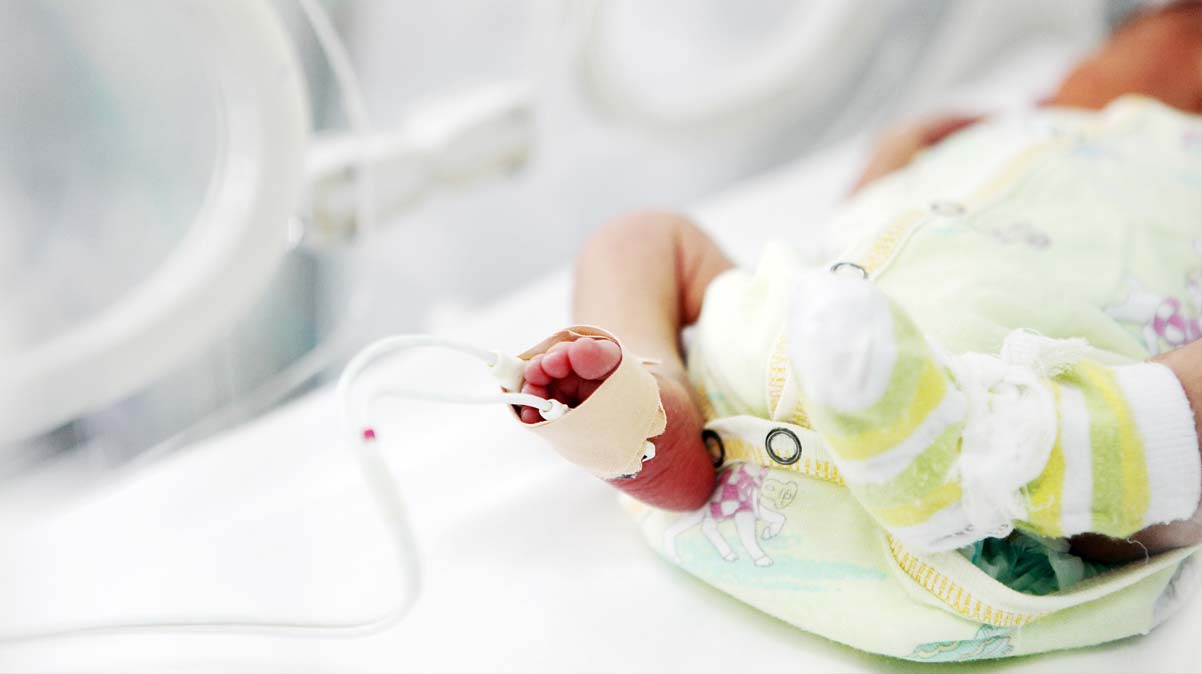
Milk Peptides Survive In Vivo Gastrointestinal Digestion and Are Excreted in the Stool of Infants
David Dallas, Ph.D., Assistant Professor, Oregon State University, College of Public Health and Human Sciences
Can milk peptides, bioactive or not, can survive in the stool of infants? As the first study to confirm the survival of milk peptides in the stool of infants, we discuss potential bioactivities that could influence infant gut development. These results are important to understand the physiological relevance of human milk peptides to the infant.
Guide the future of human milk nutrition
The status quo is changing. For too long, human milk has been expensive and in short supply.
The good news? It’s possible for human milk fortification to scale, commercialize, and innovate, but we need your help.

together

innovation